Minimal Floral Outline
As an experienced designer and embroidery product reviewer, I often find myself evaluating machine embroidery designs for real-world use. Minimal Floral Outline caught my attention not just for its aesthetic appeal, but for how it could translate into practical, high-quality finished products. This design is a great example of how simplicity can be powerful in the world of embroidery.
The First Impression
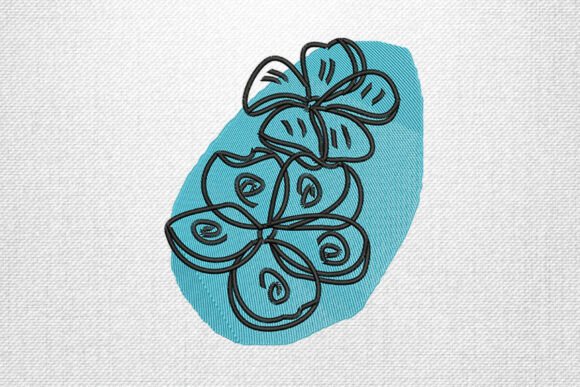
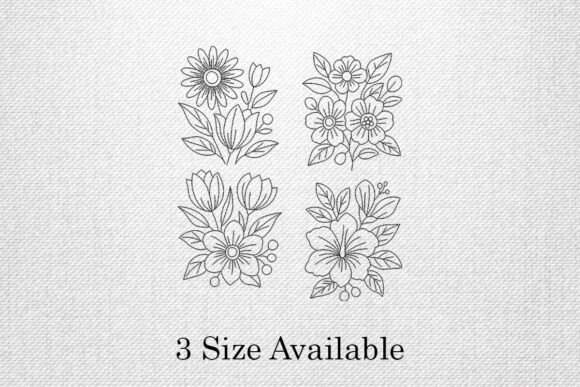
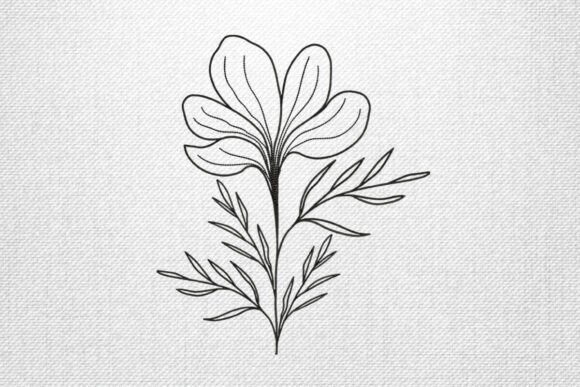
Minimal Floral Outline immediately gives off a soft, elegant vibe. The design features delicate, clean lines that suggest a light, airy feel. It’s not overly detailed, but it has enough structure to stand out without being overwhelming. The outline style makes it versatile—perfect for adding a subtle touch of charm to any project.
The layout is balanced, with a central floral motif that feels natural and uncluttered. It doesn’t try to do too much, which is a big plus when working with small hoop sizes or intricate placement. The theme is classic and timeless, making it suitable for a wide range of applications—from casual wear to more refined home decor.
Real-Life Embroidery Scenarios
Imagine you're preparing a custom embroidered tote bag for a client. Minimal Floral Outline would work beautifully as a focal point on the front panel. Its simplicity allows it to blend well with other elements, and it doesn’t require a lot of space, which is ideal for smaller bags or those with limited embroidery area.
On a sweatshirt or t-shirt, this design adds a playful yet sophisticated element. It's especially effective when paired with solid-colored garments, where the contrast between the design and the fabric can really shine. For baby clothes, it offers a gentle, non-intrusive touch that parents will appreciate.
When used as an embroidered patch, Minimal Floral Outline becomes a subtle yet meaningful detail. It works well on caps, aprons, and even on the corners of pillow covers. Its low stitch density means it won’t add unnecessary bulk, making it perfect for items that need to remain lightweight and comfortable.
Where to Use With Caution
While Minimal Floral Outline is versatile, there are certain situations where it might not perform as well. On small hoop sizes, the design may appear cramped or lose some of its visual impact. If you're working with textured fabrics or thin, stretchy materials, the outline may not hold up as well, especially if the fabric pulls during stitching.
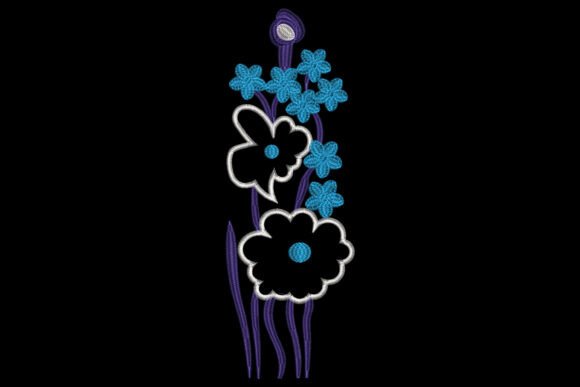
On dark fabrics, the design may not show up as clearly unless you use a contrasting thread color. Similarly, on layered garments or curved surfaces like caps, the design might require additional stabilizer to maintain its shape and clarity.
If you’re planning to use this design on products that will be washed frequently, such as kitchen towels or baby clothes, make sure the stitches are secure and the design is properly stabilized. Tiny details or decorative accents may need extra attention to ensure they don’t get lost or distorted during the washing process.
Impact on Visual Appeal and Value
Minimal Floral Outline enhances the visual appeal of any project it’s used on. Its clean lines and minimalist approach make it easy to integrate into different styles, whether modern, rustic, or traditional. It adds a sense of refinement without being too bold, which is perfect for handmade products that aim to stand out without overcomplicating the design.
In terms of product value, this design can elevate a basic item into something more special. For small business owners and Etsy sellers, it offers a way to create unique, personalized gifts that customers will love. It also helps build brand consistency, especially when used across multiple product lines or marketing materials.
From a customer perspective, this design is highly giftable. It’s subtle enough to appeal to a wide audience while still offering a personal touch. Whether it’s a holiday gift, a wedding present, or a boutique product, Minimal Floral Outline adds a thoughtful, creative element that resonates with many buyers.
Practical Designer Notes
Before using Minimal Floral Outline in your projects, I recommend testing it on scrap fabric first. This will help you see how the design looks in different thread colors and on various fabric types. Pay attention to the stitch density—too much or too little can affect the final look and durability.
Make sure to check the hoop size required for the design. If it’s too large for your machine, consider resizing or simplifying the design. Also, always use the right stabilizer for the fabric you’re working with, especially on delicate or stretchy materials.
For commercial use, confirm that the design license allows for resale or redistribution, depending on your needs. If you're selling finished products or digital embroidery files, ensure that all rights are clear to avoid any legal issues down the line.
Finally, don’t forget to test the design in black and white mockups. This will help you see how it looks on different backgrounds and ensure it remains visually appealing in all conditions.