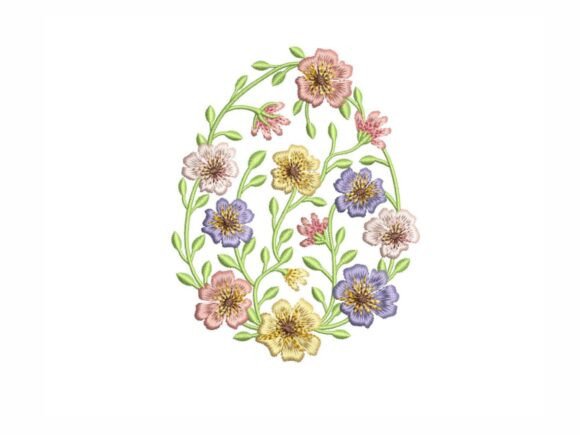
Floral Easter Egg Embroidery Design
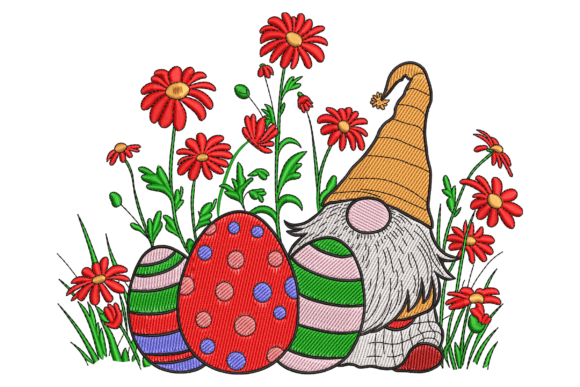
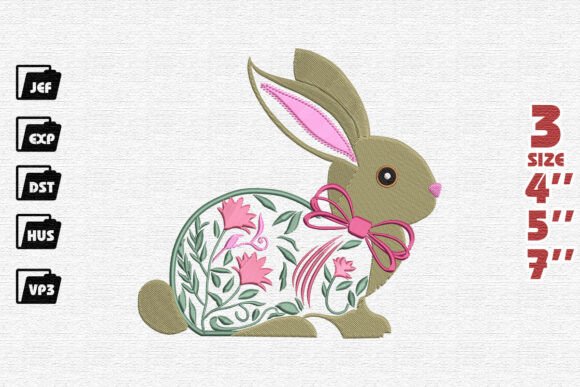
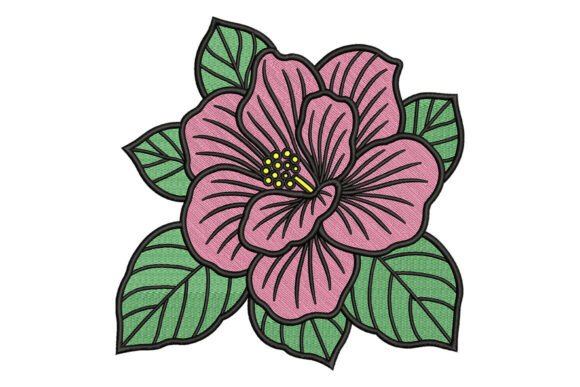
The Floral Easter Egg embroidery design is a charming addition to any seasonal collection, offering a blend of elegance and botanical charm that resonates with springtime themes. As an experienced embroidery designer, I've reviewed this piece with the goal of understanding its potential for holiday product use, from handmade gifts to commercial embroidery projects.
First Impressions: A Seasonal Mood
The Floral Easter Egg design exudes a soft, elegant aesthetic that feels both festive and timeless. Its intricate floral patterns evoke a sense of spring renewal, making it ideal for products that aim to capture the essence of Easter without being overly traditional. The design has a delicate balance between playful and refined, which makes it versatile for a wide range of applications.
Emotionally, it leans toward cozy and romantic, perfect for items that are meant to be cherished or gifted. The level of detail is impressive, with well-defined petals and leaves that add depth and visual interest. It’s not too busy, which allows it to stand out on various fabrics without overwhelming the overall look.
Real-World Holiday Selling Potential
This machine embroidery design works exceptionally well in several real-world scenarios. For Etsy sellers, it can be used to create unique, personalized gift items such as embroidered patches, tote bags, and pillow covers. The design’s versatility makes it suitable for gift bundles, where it can be paired with other seasonal elements like pastel-colored fabric or Easter-themed accessories.
For craft fair displays, the Floral Easter Egg design offers a strong visual presence. It’s easy to showcase in printable mockups, and its clean lines make it recognizable even at a distance. When used on sweatshirt embroidery or kitchen towel embroidery, it adds a touch of sophistication that appeals to customers looking for high-quality handmade gifts.
In limited edition apparel, this design can be a standout feature, especially when paired with complementary color palettes. It also works well for family matching items, such as coordinating aprons or baby clothes, where consistency and style are key.
Where to Use With Caution
While the Floral Easter Egg design is generally versatile, there are some situations where caution is advised. Small hoop sizes may struggle to accommodate the full scale of the design, so it’s important to check the recommended hoop size before starting. Tiny lettering or layered details could be lost if not properly adjusted during the digitizing process.
On thick towels or dark fabric, the design might not show up as clearly, so testing thread colors on both light and dark backgrounds is essential. Metallic thread could alter the appearance of the design, and stretchy garments may require additional stabilizer to prevent distortion.
Curved caps and items that undergo repeated washing should be approached carefully, as the stitch density and fabric texture can affect the longevity of the embroidery. It’s always wise to review small details after stitching to ensure the final product meets expectations.
Impact on Seasonal Appeal and Customer Trust
The Floral Easter Egg design enhances the seasonal appeal of any product it’s used on. Its elegant yet approachable style makes it a strong choice for Easter and springtime merchandise, helping to build customer trust through consistent quality and visual appeal.
As a personalized gift, it adds a meaningful touch that can elevate the perceived value of a product. Whether used on a pillow cover, embroidered patch, or table linen, it contributes to a cohesive brand identity that resonates with holiday shoppers.
During peak shopping periods, designs like this can drive engagement through social media previews and product mockups. Its visual recognition factor helps it stand out in crowded marketplaces, making it a valuable asset for small shop products and digital embroidery file buyers.
Practical Designer Notes
Before using the Floral Easter Egg design, it’s crucial to test thread colors on both light and dark fabrics to ensure the best visual outcome. Checking the stitch density will help avoid issues with fabric puckering or uneven coverage.
Confirming the hoop size is essential, especially if working with larger or more complex files. Using the right stabilizer for the fabric type will improve the durability of the finished product. Creating realistic mockups can help visualize how the design will appear on different items before production begins.
Planning matching color palettes ensures that the design integrates seamlessly into your product line. Lastly, always confirm the commercial licensing terms before selling finished seasonal products, as this can vary depending on the source of the embroidery file.